

Kumbhalgarh Fort: Rajasthan’s Majestic Hill Fortress
August 1, 2025
Top 10 Places to Visit in Udaipur: Unveiling the City of Lakes
August 6, 2025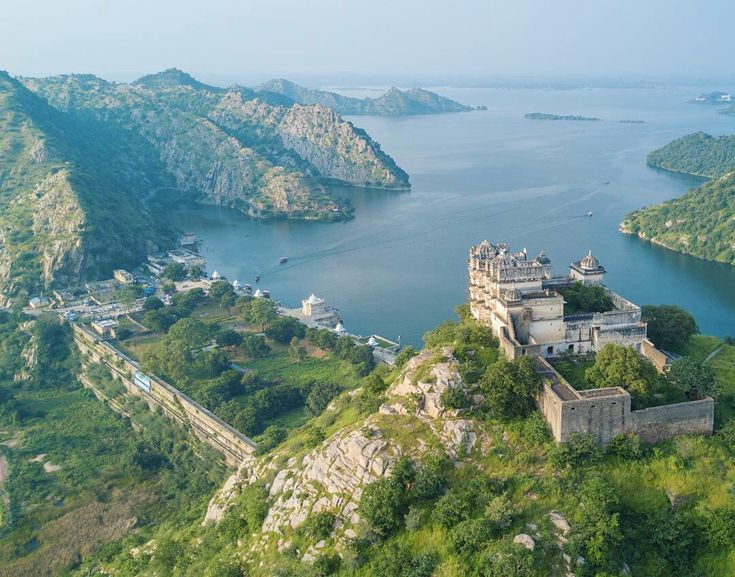
Rajasthan, often celebrated for its royal palaces and desert landscapes, also hides within its folds a breathtaking water wonder—Jaisamand Lake. Also known as Dhebar Lake, this serene and vast artificial waterbody is not only a visual delight but a marvel of Mughal-era engineering. Located just 48 km from the city of Udaipur, Jaisamand stands as one of Asia’s largest artificial lakes and is a must-visit for travelers seeking natural beauty, historic ambiance, and peaceful getaways.
A Glimpse into the Grandeur of Jaisamand Lake
Commissioned by Maharana Jai Singh in 1685, Jaisamand Lake Rajasthan was constructed to meet the water demands of Mewar’s arid regions. Spread over 87 square kilometers with a shoreline of 40 km, the lake is flanked by rolling hills and marble cenotaphs, creating an atmosphere of poetic elegance.
At its heart lies an island, home to tribal settlements, and on the banks are palaces once used by queens and royal guests. The lake’s emerald waters reflect the surrounding hills and sky, making it a favored spot for photographers, nature lovers, and spiritual seekers.

Jaisamand Lake Udaipur: The Ideal Day Trip Destination
While Udaipur has no shortage of lakes, from Pichola to Fateh Sagar, Jaisamand Lake Udaipur holds a special place for those wanting to venture beyond the usual tourist trail. It’s ideal for a day trip filled with scenic drives, picnic lunches by the lake, and boat rides over expansive waters.
The drive from Udaipur to Jaisamand passes through quiet countryside dotted with small villages and lush greenery during monsoons. The road is well-maintained, making it suitable for both private vehicles and hired taxis.
Discovering the Legacy of Jaisamand Lake Dam
The Jaisamand Lake Dam is one of the most fascinating aspects of this lake’s story. Built during the reign of Maharana Jai Singh, this massive stone masonry structure was designed to block the Gomati River and create the reservoir. Stretching over 1,200 feet and rising 116 feet in height, the dam is lined with elegant marble chhatris and a courtyard that still echoes the grandeur of Mewar’s architectural prowess.
On one side of the dam sits a grand temple dedicated to Shiva, making it a spiritual focal point for locals. From the top, you can soak in panoramic views of the lake that stretch far beyond the horizon.
What to See Around Jaisamand Lake Rajasthan
When visiting Jaisamand Lake Rajasthan, there’s more to experience than just the waters. Here’s what you can explore nearby:
1. Jaisamand Wildlife Sanctuary
Covering an area of about 62 square kilometers around the lake, this sanctuary is home to leopards, spotted deer, wild boars, and a variety of bird species. It’s a peaceful destination for eco-tourists and wildlife enthusiasts. Early mornings and late afternoons offer the best chances for spotting wildlife.
2. Hawa Mahal and Roothi Rani Ka Mahal
These 18th-century structures built on the banks of the lake served as summer palaces for the queens of Udaipur. The palaces offer scenic views of the lake and are rich in local legends, particularly the story of the “Roothi Rani” or the Angry Queen, who isolated herself after a royal disagreement.
3. Boat Rides
One of the best ways to truly experience the vastness of Jaisamand is by taking a boat ride. Boats take visitors to the centrally located island and offer a peaceful cruise over glimmering waters, with stops at key viewpoints along the shore.
4. Shiva Temple and Local Shrines
The religious aspect of the lake cannot be overlooked. There are several ancient temples around the banks, including those dedicated to Lord Shiva and Lord Vishnu, which see gatherings during festivals and local celebrations.
Best Time to Visit Jaisamand Lake
The best time to visit Jaisamand Lake is from October to March, when the temperatures are pleasant, and the monsoon greenery is still visible. During winter, the water level remains high, and the migratory birds make their appearance, enhancing the lake’s allure.
Monsoons, too, bring a different charm, filling the lake to its brim and covering surrounding hills in a lush green carpet, making it a dramatic sight to behold.

How to Reach Jaisamand Lake
From Udaipur, Jaisamand Lake is just a 1.5-hour drive. You can either rent a car, hire a cab, or book a tour through a local travel agency. Most local drivers are familiar with the location and can provide interesting insights along the way.
For those traveling from outside Udaipur, the Maharana Pratap Airport or Udaipur Railway Station serves as the nearest point of entry. Once in Udaipur, the lake is easily accessible by road.
Travel Tips for Visitors
- Carry food and water, especially if you’re planning a long boat ride or wildlife visit.
- The area near the lake has limited eateries, so it’s best to pack light snacks or meals.
- Sunscreen, hats, and sunglasses are essential during summer months.
- If you’re interested in photography, sunrise and sunset provide magical lighting for lake shots.
- Always respect local customs and wildlife guidelines when visiting the sanctuary or temples.
Where to Stay Near Jaisamand Lake
Though there are a few resorts and forest lodges near the lake, most tourists prefer staying in Udaipur and making a day trip. From luxury heritage hotels to guest houses, Udaipur has accommodations to suit every budget and preference.
For travelers looking for an affordable option, booking a Budget Hotel in Udaipur offers the perfect balance between comfort and cost. These hotels provide easy access to not only Jaisamand but also the rest of Udaipur’s iconic sites.
Why Jaisamand Deserves a Spot on Your Rajasthan Itinerary
Often overshadowed by the better-known lakes of Udaipur, Jaisamand Lake remains an underrated destination that combines natural beauty, royal history, and local culture in a unique way. Unlike crowded urban spots, it gives you space to breathe, reflect, and truly connect with Rajasthan’s quieter side.
Whether you’re a solo traveler seeking peace, a couple in search of a romantic escape, or a family eager to explore nature and history, Jaisamand offers something for everyone.
From the majestic Jaisamand Lake Dam to the wide expanse of water that defines the Jaisamand Lake Rajasthan landscape, every corner holds a timeless charm waiting to be discovered. The essence of Jaisamand Lake Udaipur lies not just in its historical roots but in the serenity it brings to every visitor.
Final Thoughts
Rajasthan may be known for its forts and deserts, but lakes like Jaisamand bring out its softer, more reflective side. Next time you plan a trip to Udaipur, make sure to carve out time to visit this enchanting lake. Let the calm waters of Jaisamand transport you into a realm where nature and history flow together in perfect harmony.
FAQs
Where is Jaisamand Lake located?
Jaisamand Lake is located about 48 km southeast of Udaipur city in Rajasthan. It’s one of the largest artificial lakes in Asia and a popular day-trip destination.
What is the history of Jaisamand Lake Rajasthan?
Jaisamand Lake, also known as Dhebar Lake, was built by Maharana Jai Singh in 1685. It was created by constructing the Jaisamand Lake Dam on the Gomati River to supply water to the Mewar region.
What are the main attractions at Jaisamand Lake Udaipur?
The top attractions include scenic boat rides, panoramic lake views, the Jaisamand Wildlife Sanctuary, ancient temples, Hawa Mahal, and Roothi Rani Ka Mahal.
What is the best time to visit Jaisamand Lake?
The ideal time to visit is between October and March when the weather is cool and pleasant, and the lake remains full from monsoon rains.
Are boat rides available at Jaisamand Lake?
Yes, boat rides are available and highly recommended. They offer beautiful views of the lake, islands, and surrounding hills. Timings may vary seasonally.
Is there any entry fee for visiting Jaisamand Lake Dam?
Entry to the lake is usually free, but boat rides and wildlife sanctuary visits may involve a nominal fee. Prices vary depending on the activity and season.