

Saheliyon Ki Bari Udaipur: Complete Visitor Guide, Timings & Fee
June 15, 2026
Rawla Sarakar: Your Perfect Stay in the Heart of Udaipur’s Old City
August 3, 2026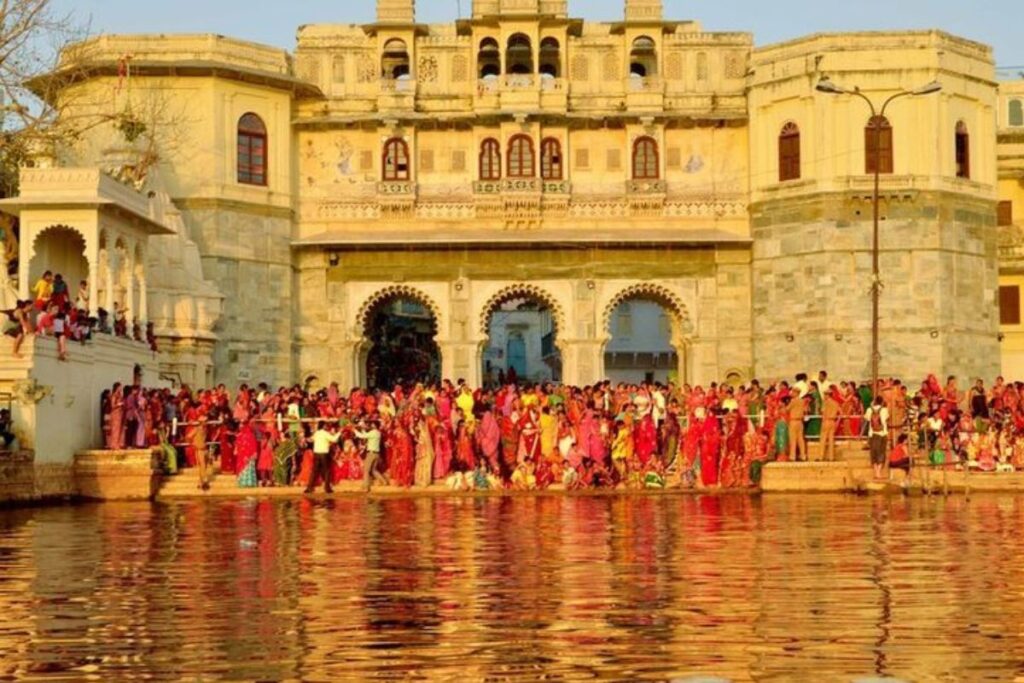
If there’s one place in Udaipur that captures the soul of the city in a single frame, it’s Gangaur Ghat Udaipur. Tucked along the eastern edge of Gangaur Ghat Lake Pichola, this stone-stepped waterfront has been a center of daily life, ritual, and royal history for centuries. If you’re planning to explore this iconic attraction while keeping your trip affordable, choosing a Budget Hotel In Udaipur near the old city allows you to enjoy easy access to Gangaur Ghat, Lake Pichola, City Palace, and other famous landmarks. Locals still come here to bathe and pray each morning, photographers wait patiently for golden-hour light, and travelers from across the world stop by to soak in one of the most photogenic corners of Rajasthan.
Whether you’re researching Gangaur Ghat timings, wondering about Gangaur Ghat boating options, or simply trying to figure out the best time to visit Gangaur Ghat, this guide covers everything you need before you go.
What Is Gangaur Ghat?
Gangaur Ghat, also known locally as Gangori Ghat, is one of the most important ghats lining Lake Pichola in Udaipur. Located near the Jagdish Chowk area and right beside the historic Bagore Ki Haveli, it sits at the heart of the old city, just a short walk from the City Palace.
Unlike some tourist spots that exist purely for sightseeing, Gangaur Ghat Udaipur is a living, breathing public space. Locals wash clothes here, perform morning rituals, and gather in the evenings, while visitors arrive to watch the sunset, take a boat ride, or simply sit on the stone steps and absorb the atmosphere. This blend of everyday life and tourist charm is exactly what makes the ghat so special.
The ghat takes its name from the Gangaur Festival, one of Rajasthan’s most significant celebrations, dedicated to Goddess Parvati (Gauri). According to local belief, Parvati performed rigorous penance at this very spot to win the heart of Lord Shiva, which is why the ghat carries deep associations with love, devotion, and marital bliss.
A Glimpse Into Its History
The history of Gangaur Ghat dates back to the era of the Mewar dynasty, when waterfront ghats served as ceremonial stages, bathing points, and social gathering spaces. The Maharanas of Mewar were great patrons of art and architecture, and their influence is still visible in the carved stone steps, the triple-arched Tripolia gate, and the haveli-style structures that frame the ghat.
Historically, royal processions would wind through the city and culminate here, where idols were ceremonially immersed in the waters of Lake Pichola. That tradition continues today, making Gangaur Ghat Udaipur not just a historic monument but an active part of the city’s cultural calendar.
Why Gangaur Ghat Lake Pichola Is So Special
Most ghats are beautiful, but few combine architecture, culture, and natural scenery as seamlessly as Gangaur Ghat does. Sitting directly on Gangaur Ghat Lake Pichola, the ghat offers some of the best views in the city — the shimmering lake in the foreground, the Aravalli hills in the distance, and glimpses of Jag Mandir and the Lake Palace floating serenely on the water.
The stone steps lead straight down to the emerald-green waters, creating a perfect vantage point for both quiet reflection and dramatic photography. Just behind the ghat stands Bagore Ki Haveli, a former royal residence that now functions as a museum and cultural venue, adding even more depth to a visit here.
Because Gangaur Ghat Lake Pichola sits so close to the City Palace, many travelers combine a heritage walk through the old city with a stop at the ghat, making it an easy addition to any Udaipur itinerary.
Gangaur Ghat Timings: When Can You Visit?
One of the most searched questions about this spot is simple: what are the Gangaur Ghat timings? Unlike a fort or museum, the ghat doesn’t operate like a ticketed monument. It’s an open public space, generally accessible from early morning until late evening.
According to local sources, the typical Gangaur Ghat timings run from around 4:00 AM to 7:30 PM, and the ghat remains open all seven days of the week. There’s no entry fee, since it functions as a public riverside space rather than a paid attraction.
If you’re interested in the daily aarti (a ritual prayer ceremony involving lamps), the timings generally fall between 5:00 AM and 7:00 PM, with multiple aarti sessions happening through the morning, afternoon, and evening. The sunrise and post-sunset aartis tend to be the most visually striking, with the soft light and lamp glow reflecting beautifully off the lake.
It’s worth noting that Gangaur Ghat timings can shift slightly during major festivals like Gangaur or Jal-Jhulni Ekadashi, when the ghat sees much larger crowds and extended ritual activity. If you’re planning a visit around festival dates, it’s a good idea to arrive a little earlier than usual.
Best Time to Visit Gangaur Ghat
Timing your visit right can make a huge difference to the experience. So, what’s the best time to visit Gangaur Ghat?
Best Season
The ideal window is between October and March, when Udaipur’s weather is pleasant, skies are clear, and the lake views are at their sharpest. Summers in Rajasthan can be intensely hot, and the stone steps of the ghat offer little shade, so visiting during peak summer afternoons isn’t recommended unless you’re prepared with water and sun protection.
Monsoon season (July to September) brings a different kind of charm — dramatic skies, a fuller lake, and lush surroundings — but the steps can get slippery, so caution is advised if you visit during the rains.
Best Time of Day
Beyond the season, the best time to visit Gangaur Ghat also comes down to the time of day:
- Early morning (sunrise): Quiet, peaceful, and ideal for photography. Locals are performing their morning rituals, and the soft light creates a calm, contemplative mood.
- Evening (sunset): This is when the ghat truly comes alive. Locals gather for evening strolls, the lake reflects the golden-orange sky, and the aarti ceremony adds a spiritual touch to the atmosphere.
For most travelers, sunset is considered the single best time to visit Gangaur Ghat, especially if you want to pair the visit with a boat ride or a stroll through the nearby lanes.
Festival Season
If you want to witness the cultural side of the ghat in full swing, plan your trip around the Gangaur Festival, typically held in March or April. During this time, women dressed in vibrant traditional attire parade through the city carrying idols of Goddess Gauri, eventually arriving at the ghat for immersion ceremonies filled with music, dance, and color. Holi season is another excellent time, as the ghat and surrounding old city take part in Udaipur’s broader Holi celebrations.
Gangaur Ghat Boating: Everything You Need to Know
No visit to this part of the city is complete without trying Gangaur Ghat boating on Lake Pichola. The boat rides here are one of the most popular activities for travelers, offering a completely different perspective of the ghat, the City Palace, and the floating palaces in the middle of the lake.
Where to Board
While boats don’t always depart directly from Gangaur Ghat itself, the nearby boarding points — including Rameshwar Ghat and the City Palace jetty — are just a short walk away, making Gangaur Ghat boating easily accessible as part of your visit.
Boat Ride Options
There are generally a few types of boat rides available:
- Regular daytime boat ride – A scenic cruise covering the City Palace waterfront, Jag Mandir, and the ghats, lasting roughly 15 minutes to an hour depending on the package.
- Sunset cruise – The most popular option, timed to coincide with the golden hour when the sky turns orange and the lake mirrors the city skyline.
- Private or charter boats – For those wanting a more exclusive, personalized experience, private boats are available at a higher price point.
Pricing
Boat ride prices vary by season and operator, but as a general guide:
- Regular boat rides cost approximately ₹400–600 per adult and around ₹200–300 for children.
- Sunset cruises are priced higher, typically around ₹700–800 per adult and ₹400–450 for children.
- Private or luxury charter boats can cost significantly more, often starting around ₹1,500 per person depending on exclusivity and duration.
Boat timings generally run from around 9:00 AM to 6:00 PM, with sunset rides typically operating in the late afternoon window (roughly 3:00 PM to 6:00 PM, depending on the season). It’s worth double-checking current rates and timings at the ticket counter, since they can shift slightly with demand and season.
Why It’s Worth It
Gangaur Ghat boating offers a vantage point you simply can’t get from land. As the boat glides past the ghat, you get to see the full architectural sweep of the Tripolia gate and Bagore Ki Haveli from the water, along with close-up views of Jag Mandir and the iconic Lake Palace. Watching the sun dip behind the Aravalli hills from the middle of the lake is, for many travelers, the highlight of their entire Udaipur trip.
Things to Do Around Gangaur Ghat
Beyond boating and sightseeing, there’s plenty to keep you engaged around the ghat:
- Bagore Ki Haveli: Right next to the ghat, this haveli-turned-museum hosts a nightly cultural dance show featuring traditional Rajasthani performances.
- Photography: The combination of stone arches, lake reflections, and golden-hour light makes this one of the most photographed spots in Udaipur.
- Heritage walks: Many guided walking tours combine Gangaur Ghat with nearby Jagdish Temple and City Palace for a deeper dive into Udaipur’s history.
- Shopping and cafes: The narrow lanes leading to the ghat are filled with small shops selling Rajasthani handicrafts, along with rooftop cafes offering lake-facing views.
How to Reach Gangaur Ghat
Getting to Gangaur Ghat Udaipur is straightforward, as it sits right in the heart of the old city:
- By Air: The nearest airport is Maharana Pratap Airport, roughly 23 km away.
- By Train: Udaipur Railway Station is just about 2–3 km from the ghat.
- Local Transport: Auto-rickshaws, taxis, and app-based cabs can drop you close by, though the final stretch usually involves a short walk through narrow pedestrian lanes near Jagdish Chowk.
Final Thoughts
Few places in Udaipur manage to blend spirituality, history, and natural beauty as effortlessly as Gangaur Ghat. Whether you’re checking the Gangaur Ghat timings to catch the morning aarti, planning your trip around the best time to visit Gangaur Ghat for festival season, or simply looking forward to a relaxing Gangaur Ghat boating experience at sunset, this stretch of Gangaur Ghat Lake Pichola offers something memorable at every hour of the day.
For first-time visitors to Udaipur, Gangaur Ghat Udaipur is more than just a quick photo stop — it’s a window into the rhythm of the city itself, where ancient rituals, royal history, and everyday life continue to unfold along the same stone steps they have for generation